Security that feels human — at the scale of a nation's finances.
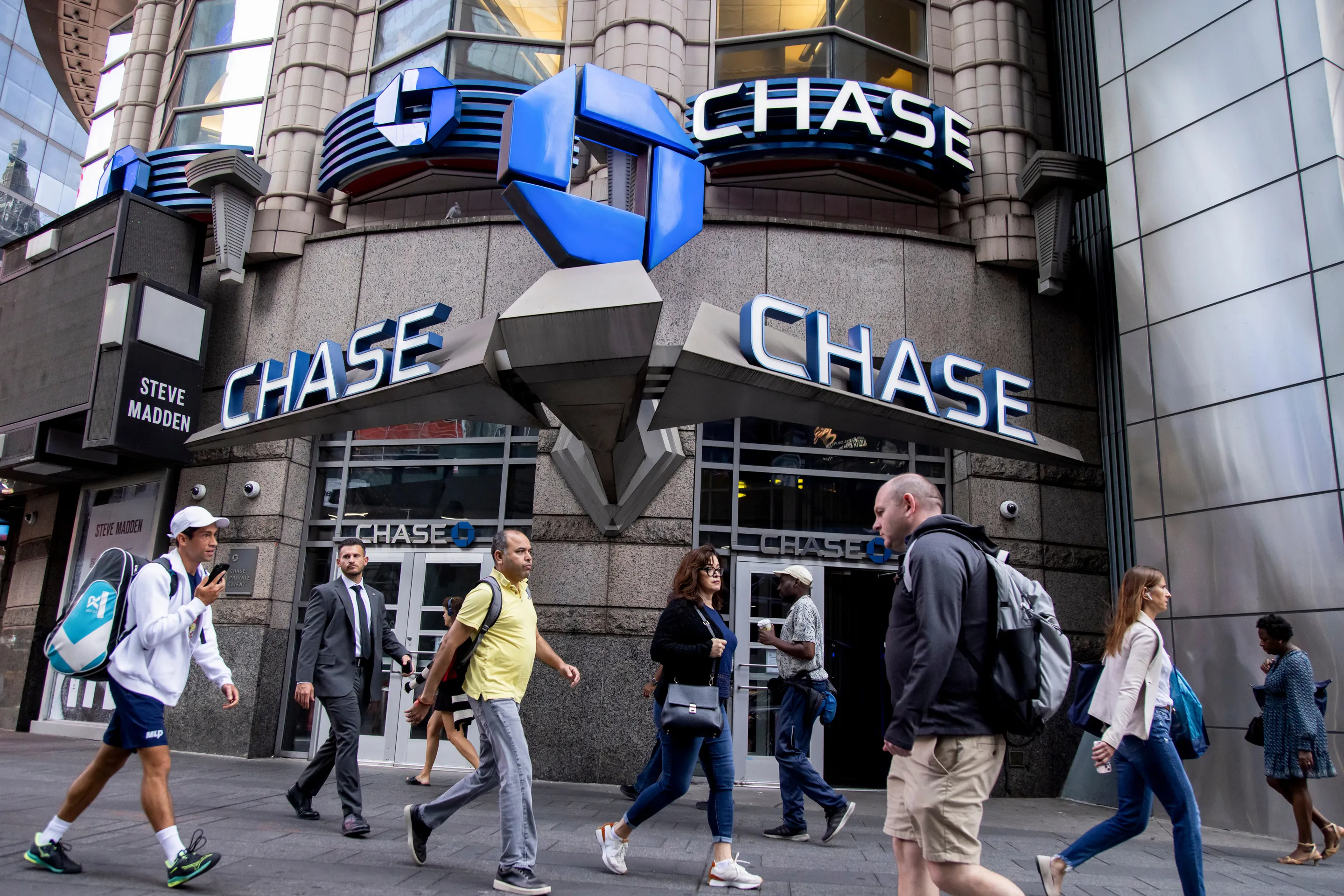
I wasn't brought into Chase for my security expertise. I was brought in to create cultural change — to embed a customer-first mindset inside a domain historically driven by rules and models. My team designs the experiences that help 95 million customers recognize threats, recover from fraud, and trust the platform.
The work sits at the intersection of behavioral science, responsible AI, and organizational alignment. I lead design across fraud prevention, scam intervention, authentication, identity, credential usage, and disputes — spanning Consumer Banking, Credit Cards, and Business Banking, both digital and retail channels.
The hardest part isn't the design. It's getting engineering, risk, compliance, and product teams across a massive, matrixed institution to adopt design-driven thinking. I'm constantly navigating how to shift norms, incentives, and decision-making patterns — because the best fraud prevention starts with teams that deeply understand their users.
Building practices that didn't exist — solving problems no one had named.
Design Thinking
I was recruited to transition the Card LOB at Capital One to a human-centered way of working. I grew a team of project leads and took on challenges that no one had thought to approach through the lens of design — from reinventing the experience of credit card fraud to exploring how we treat people who have fallen behind on payments. By truly understanding our customers, our projects became the highlights of the CEO's roadshow, and the cultural shift we created spread across the company. Other divisions followed, and the practice changed how work was done at Capital One.
One reframe that changed an entire team.
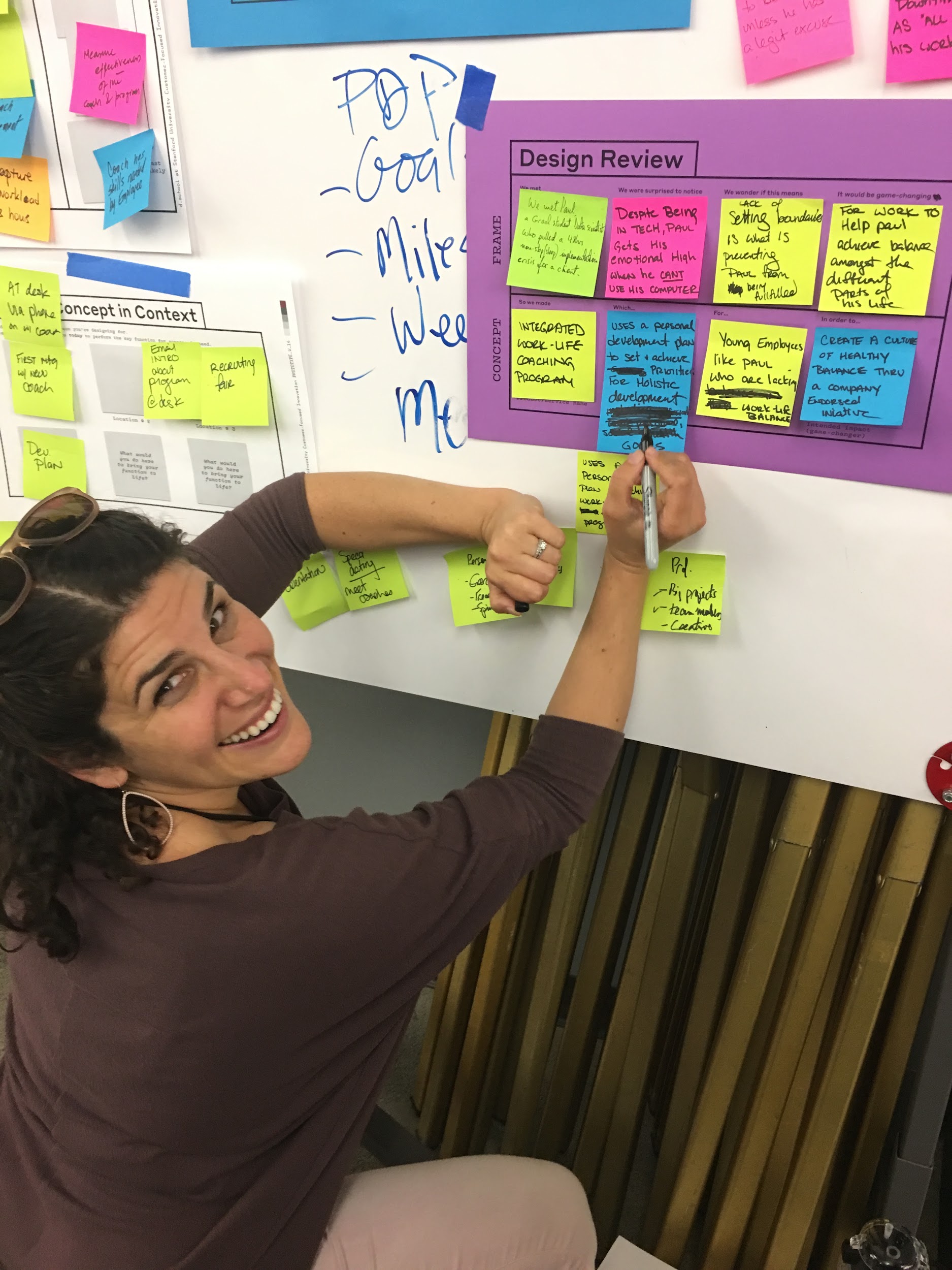
The collections team had the lowest morale and shortest tenure in the division. Through a brief project and a workshop, we changed everything. By speaking to the people who weren't paying their bills, we discovered their stories — from medical debt after being in an exploding building to other unforeseen life events that sent everything sideways. It turned out 93% of them were simply good people who were struggling. We changed the team's mission from "collect money for unpaid bills" to "help good people in bad situations." That single reframe turned the lowest-morale team into one of the happiest with the longest tenure, became the highlight of the CEO's annual roadshow, and helped countless customers when they were at their lowest points.

A mom, a grocery cart, and a broken system.
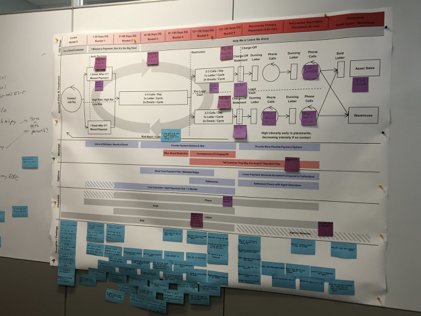
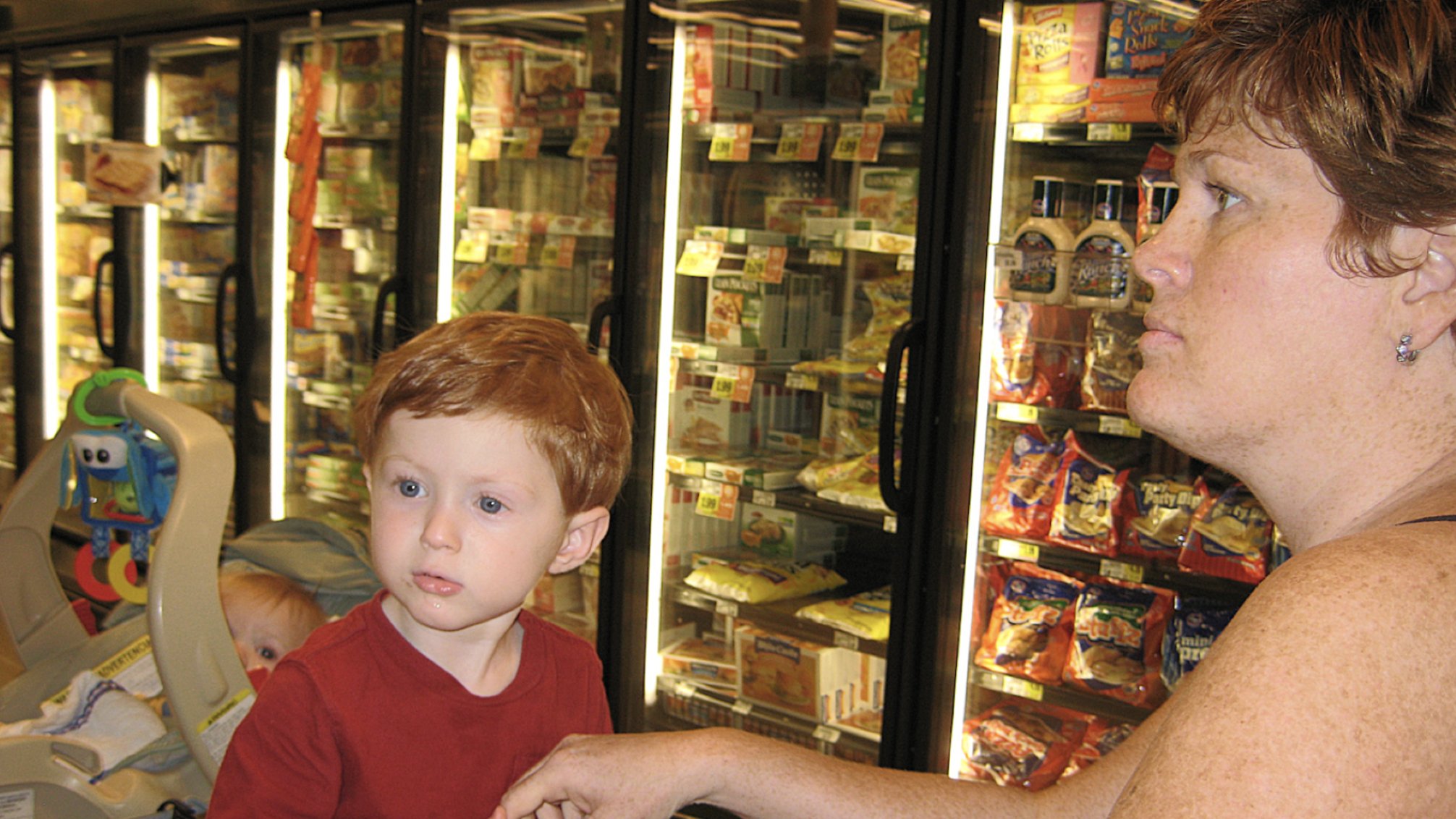
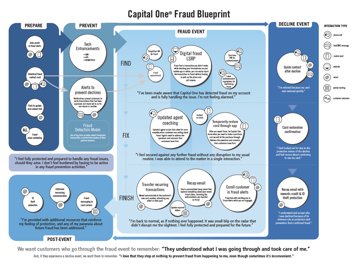
Back in 2015, we knew customers were frustrated when fraud hit their accounts, but we didn't know the depth. We spoke to a range of customers, but none stood out like Mary. She was a mom of two, grocery shopping, when she got an alert on her phone. She confirmed she hadn't made the charge and the bank shut her card down. From the bank's perspective, this was a success — fraud prevented, job done. But when we dug deeper, we learned Mary was living paycheck to paycheck and that card was her only way to buy food for her children. That day she left a half-filled cart in the aisle and went home with no way to feed them until a new card arrived seven to ten days later. That is unacceptable. We redefined how fraud was understood at a bank — shifting the perspective from "prevent identity theft" to "keep our customer's life seamless through a fraud event." That change of lens opened up five unique workstreams, many of which are now standard practice at banks beyond Capital One, like instant issuance of new card numbers and the ability to temporarily reactivate your old card in the app until the new one arrives.
Physical Experience Design
I established Physical Experience Design (PXD) and built a team to combine product design and interactive space design in the banking and tech world. PXD elevated real-world environments and objects, creating meaningful experiences by layering physical and digital content and interactions. By assembling a wildly diverse team — industrial designers, mechanical engineers, architects, product designers, UX designers, coders, and sculptors — we created physical experiences in an entirely new way.
Bringing people together when everything was pulling them apart.
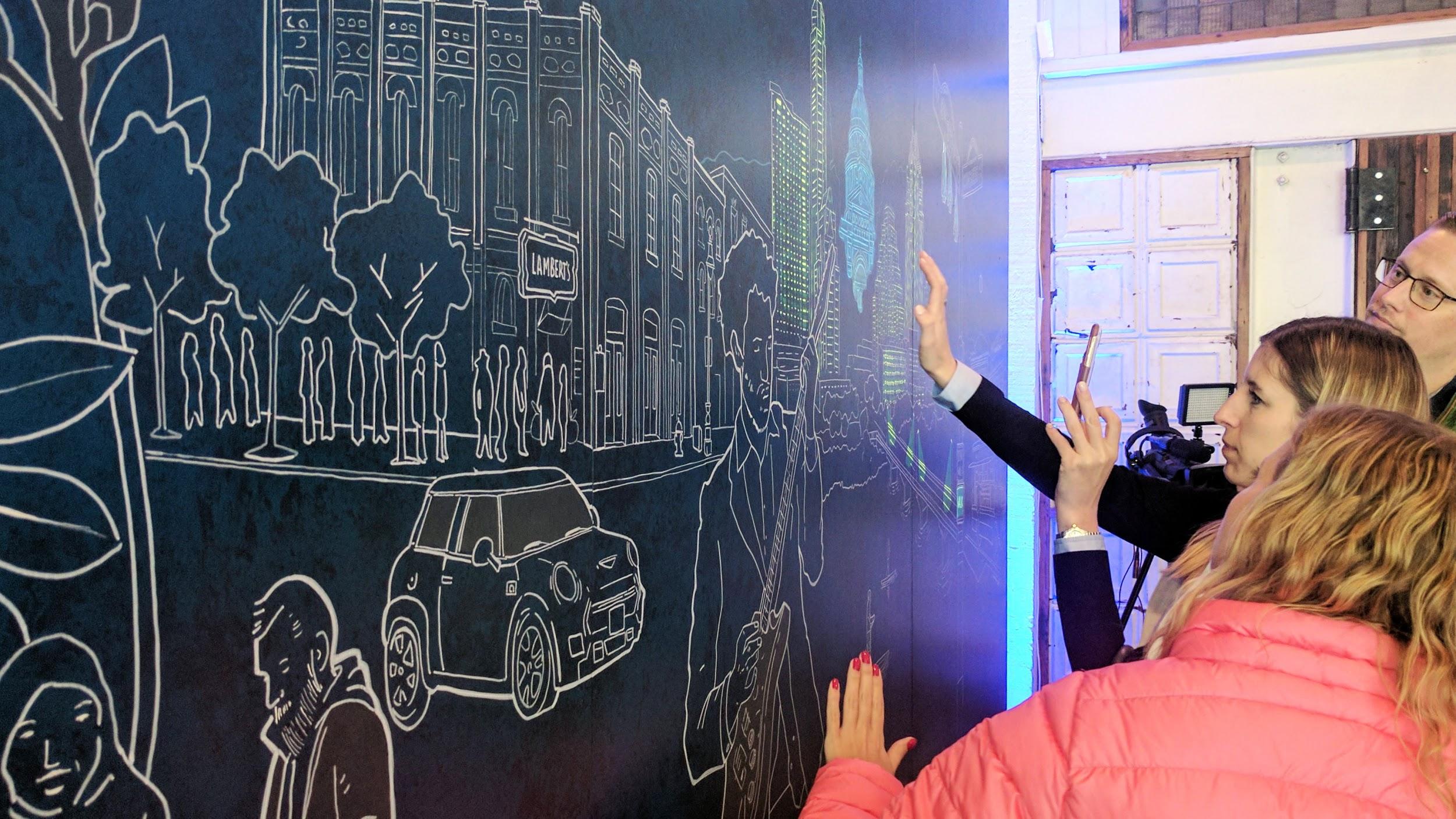
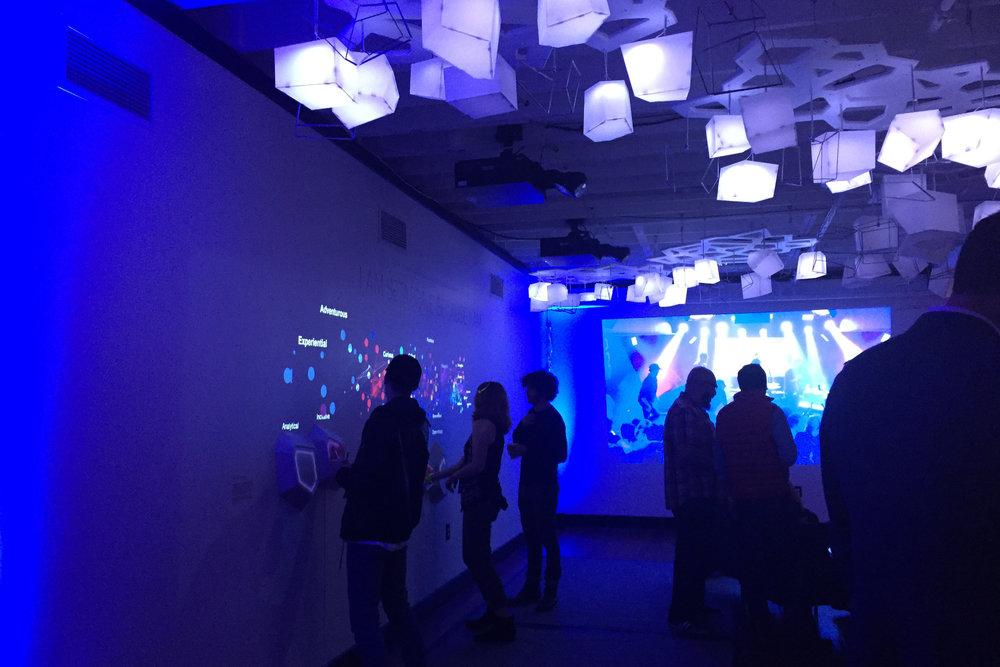
In 2017, the political climate was dividing people. We wanted to create an interactive space that did the opposite — one that highlighted the beauty of diversity and brought people together. Downstairs, we built a touch-capacitive wall mural that wove the culture of Austin, Texas into an interactive experience. Custom animations and sound effects activated when guests touched the glowing hotspots, and lines around the block waited to play with it. Upstairs, a sculptural lighting installation changed and adapted in real time as people joined the space — each person shifting the composition, making the room more beautiful as people interacted with it showing their diversity. The experience brought Capital One's values to life in a way no slide deck ever could.
An ATM that works for every person.
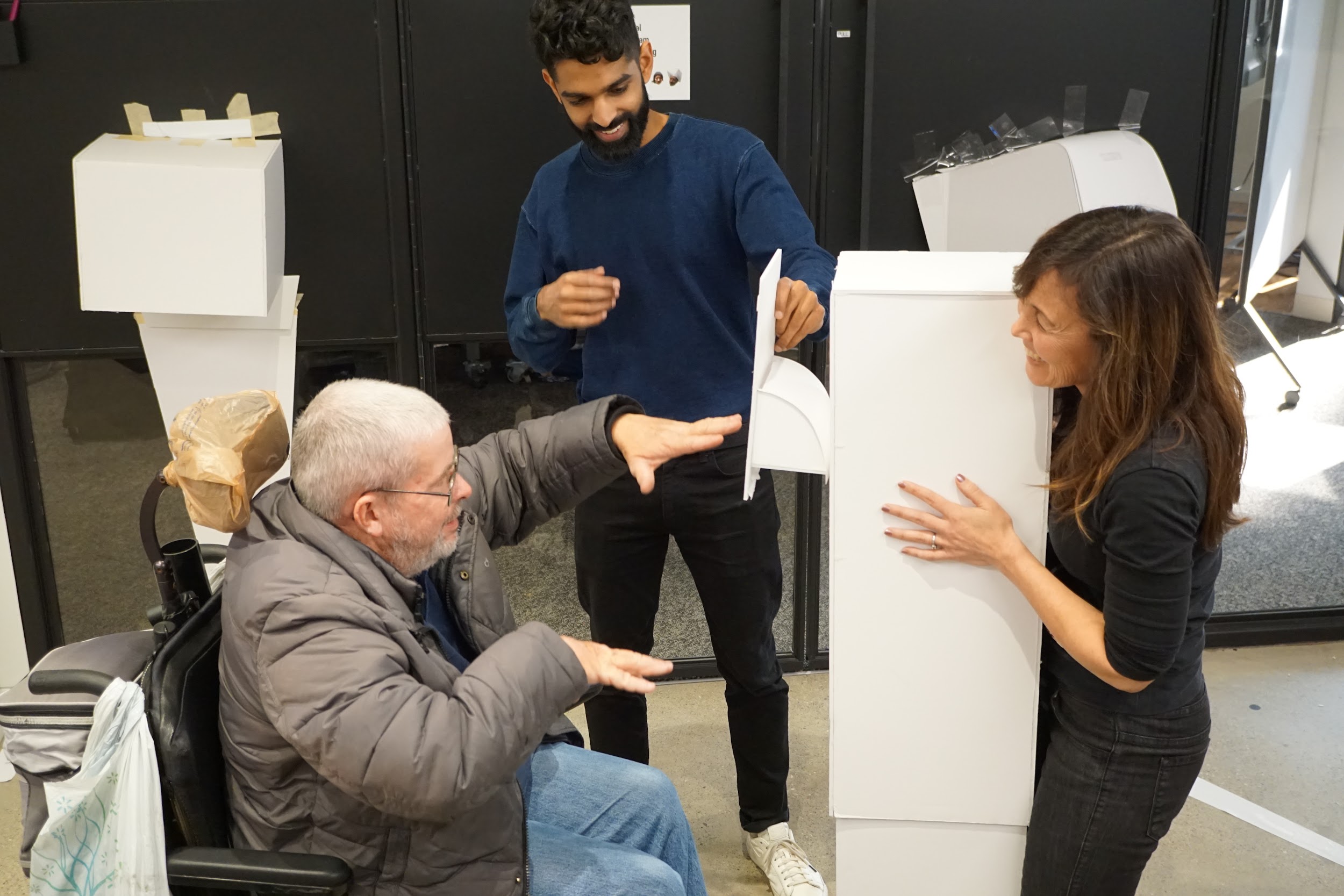
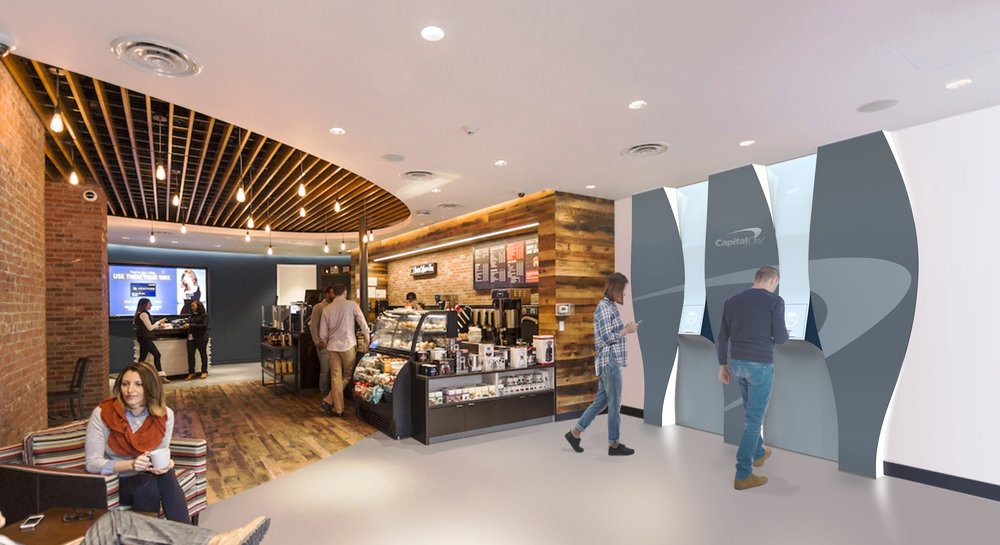
We explored what an ATM could become when you rethink the relationship between people, cash, and physical space. This was a forward-looking study on how technology and environment might work together differently — with a core focus on making sure that future was inclusive of all users. We did this work pre-COVID, but many of the insights about contactless interaction and accessible design are even more relevant now.
From resource to strategic lever — changing design inside a science-first company.
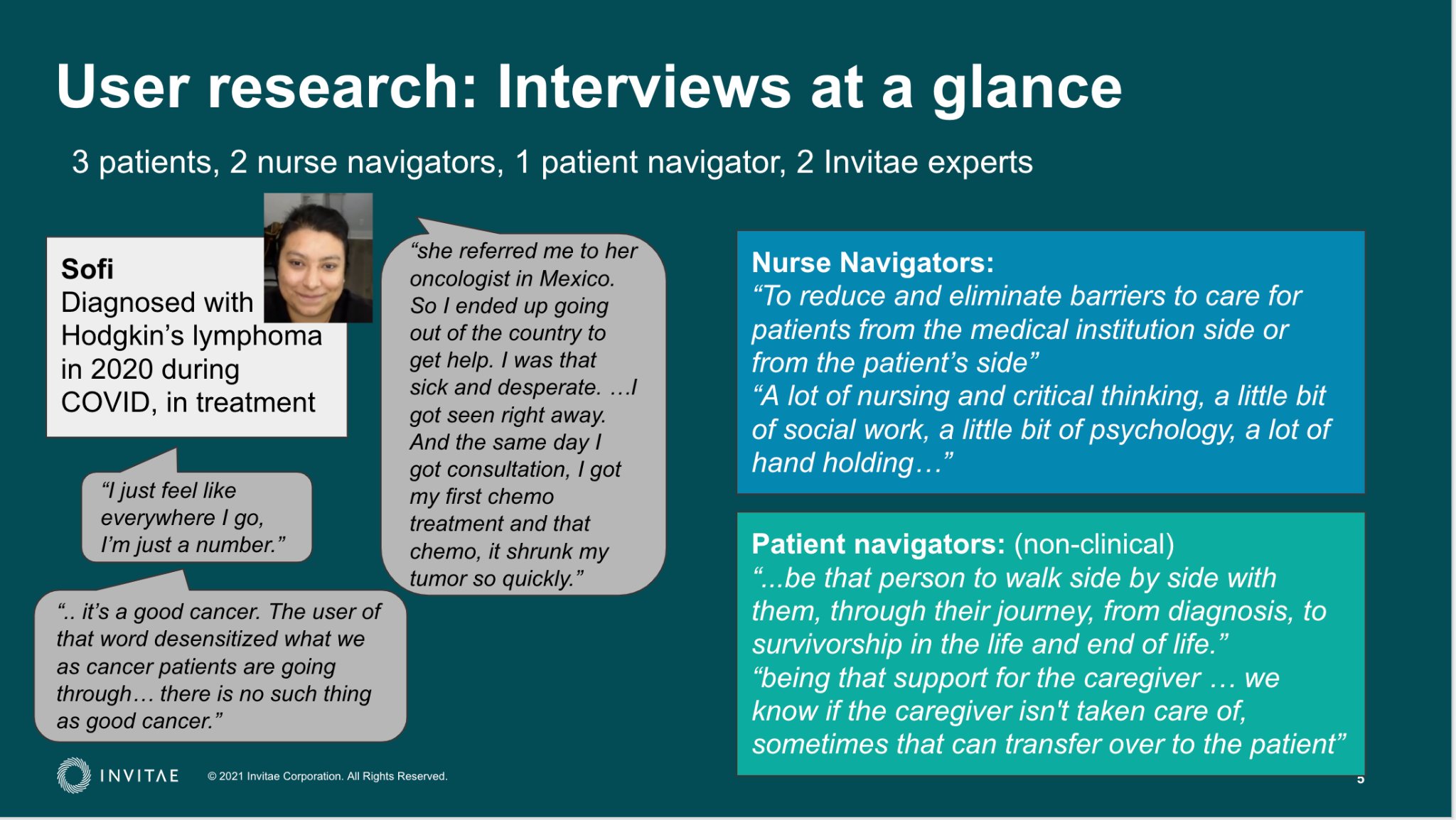
When I arrived at Invitae, five designers worked as a styling resource. The company was science-first, brilliant at genetics, but the people on the other end of every test result — patients facing some of the most frightening moments of their lives — were an afterthought in the product experience.
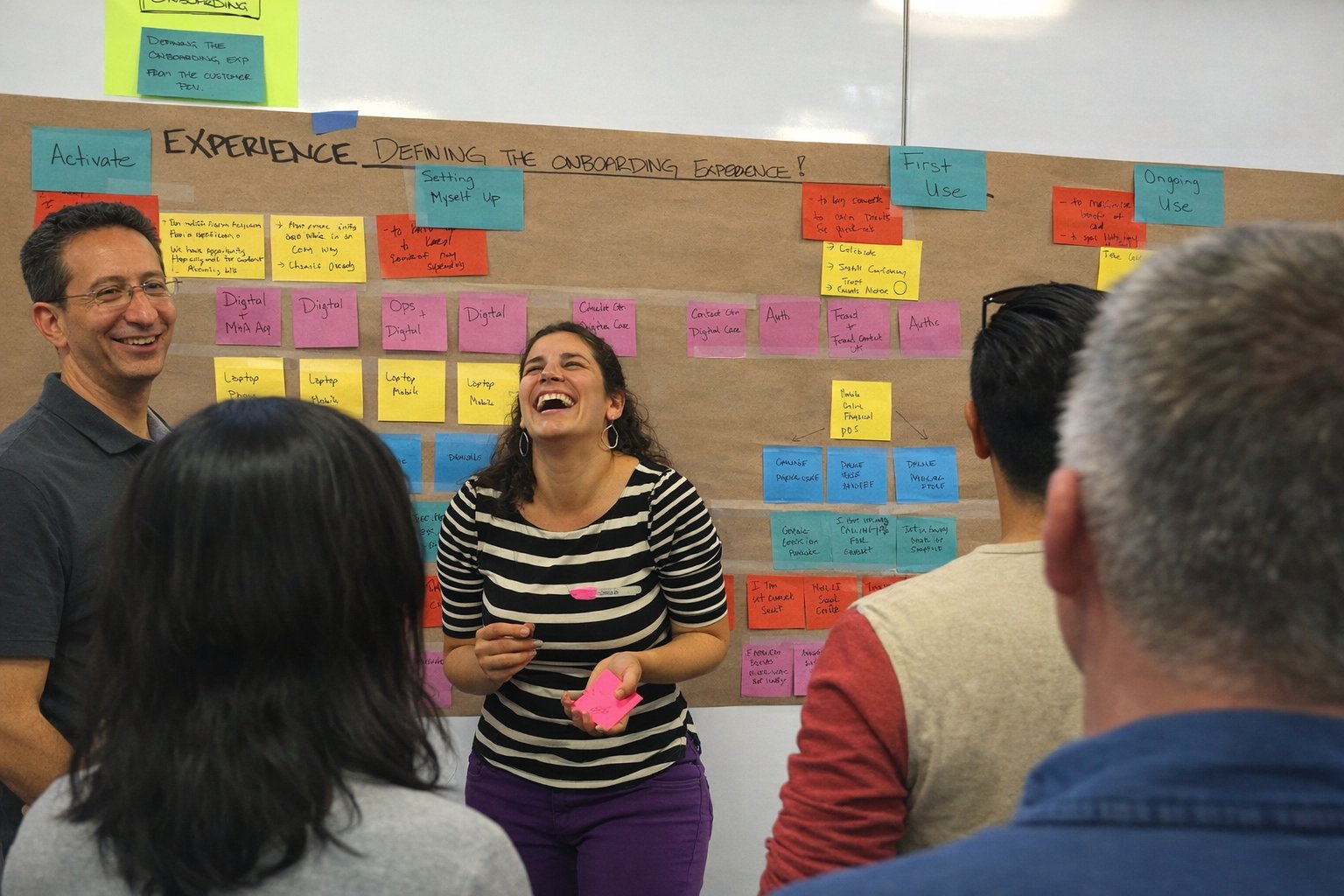
I grew the team from 5 to 17 in under a year, introducing Design Thinking, Service Design, and Research as new disciplines. I created the most-attended internal course at the company to help shift the broader mindset, teaching design thinking across the organization until designers stopped receiving briefs and started shaping strategy.
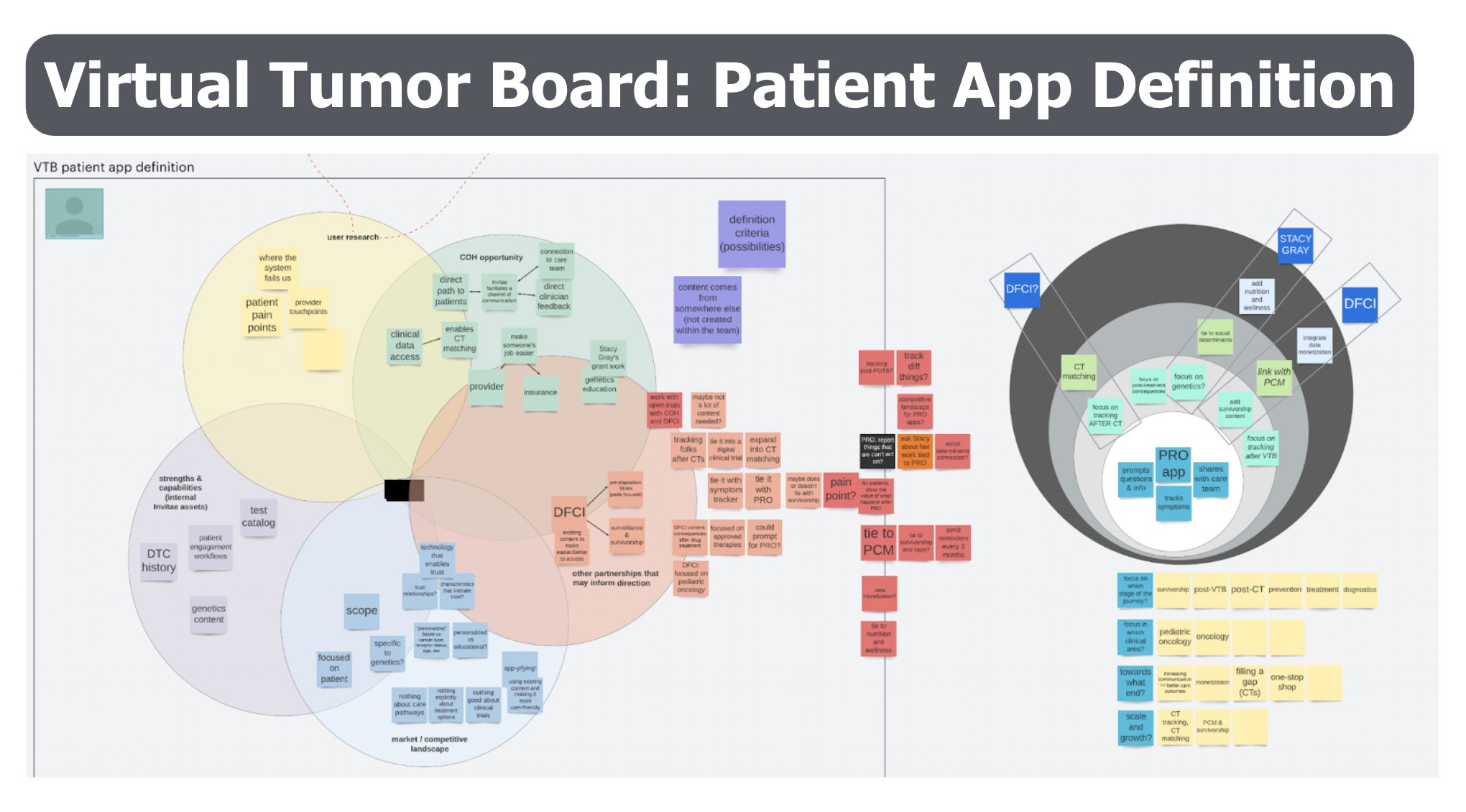
We did impactful work like a virtual Tumor Board platform we built for hospital systems, bringing oncology specialists together with integrated patient data to collaborate on challenging cases — ultimately helping doctors see more patients and save more lives.
Mapping What Matters: How Service Design Aligned Three Companies to One Vision
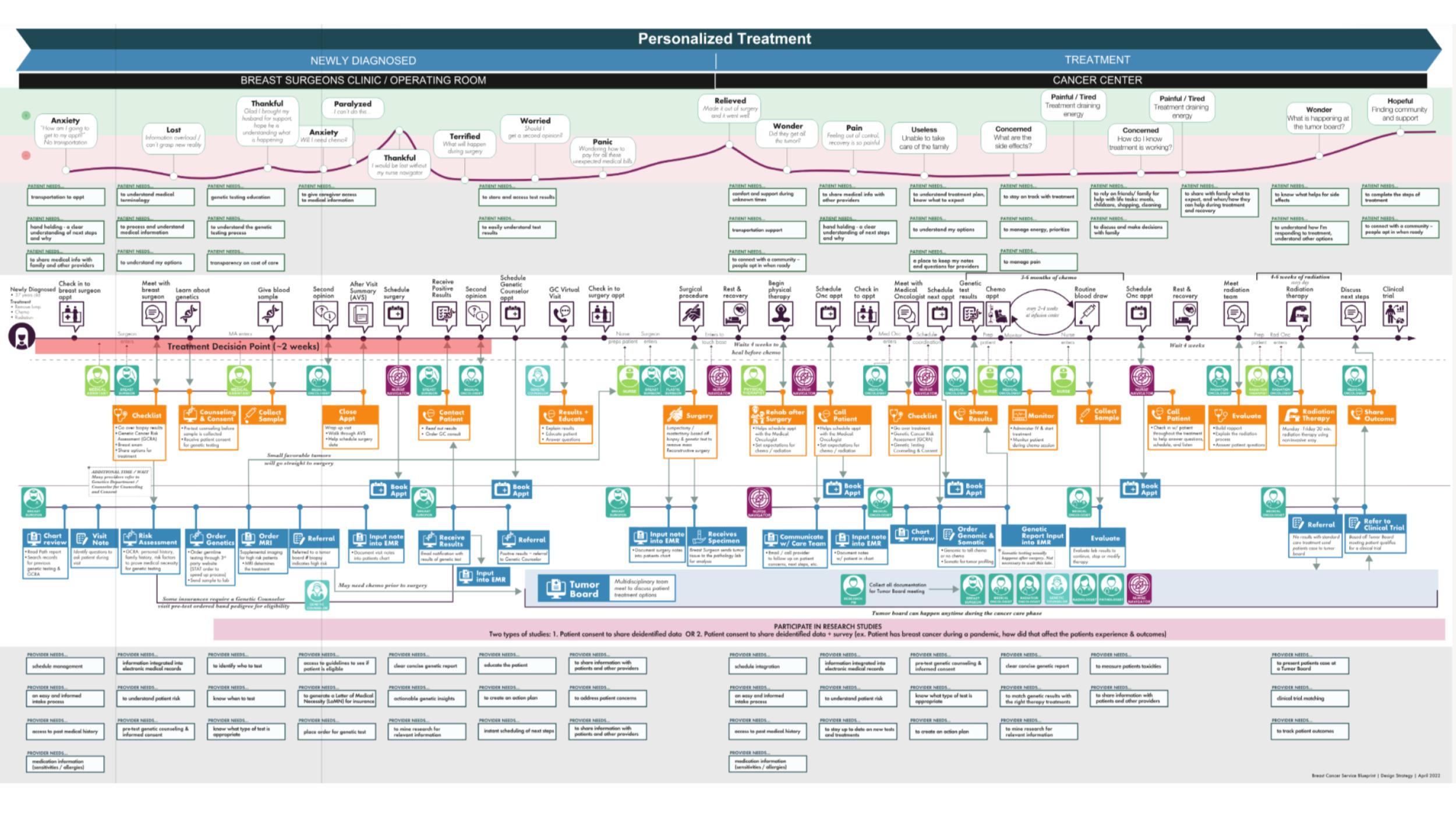
When Invitae acquired three companies, each came with its own CEO, its own roadmap, and its own version of the future. They met frequently, but every conversation was filtered through each leader's lens — one was building the electrical system for a house, another the plumbing for a boat, the third the foundation for a skyscraper. There was plenty of talking and very little listening.
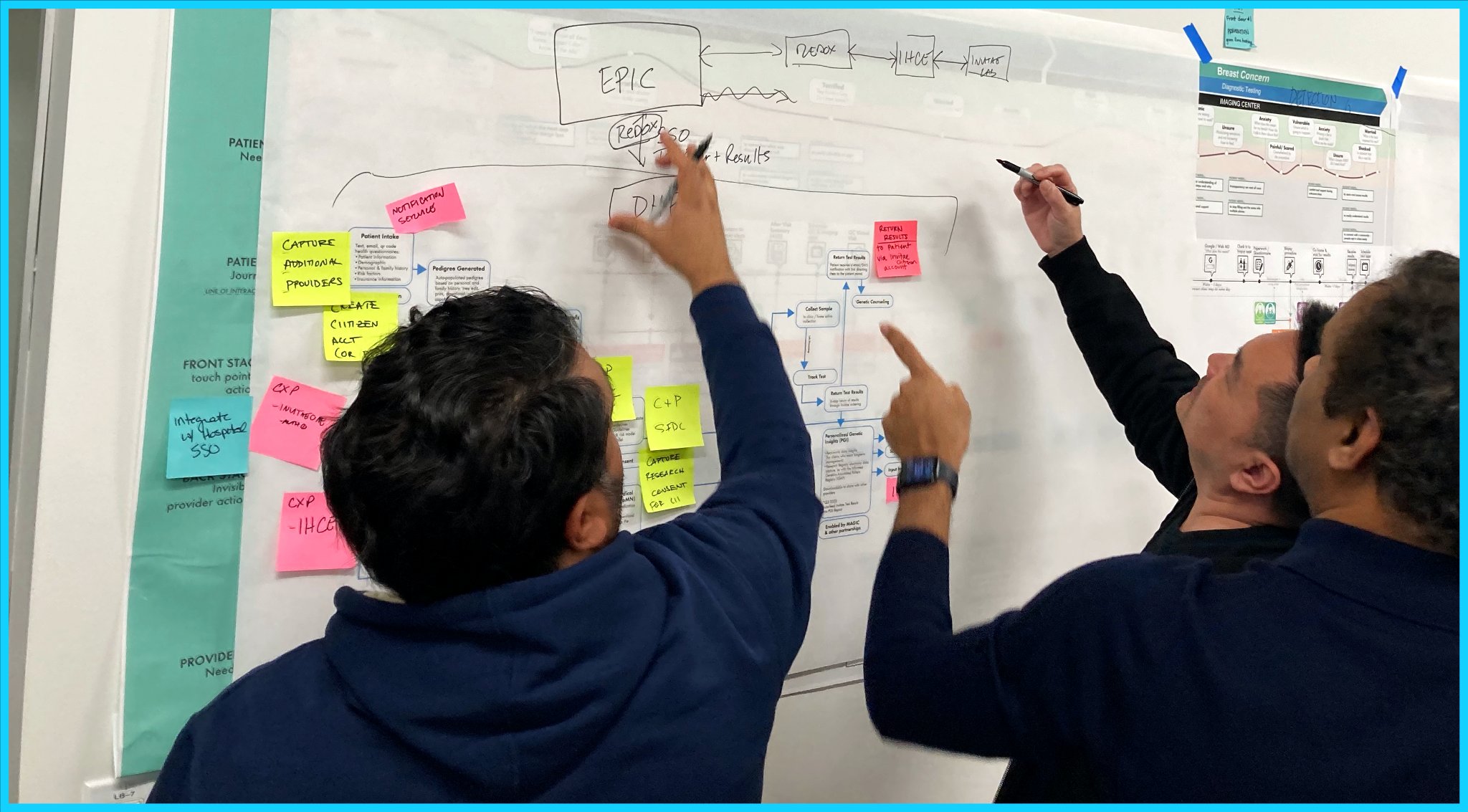
I had my team create a service blueprint of the breast care journey — the one thing all three companies touched. Then we made transparent vellum overlays showing each team's plans and goals that layered on top. In a focused workshop with just the three CEOs and one team member each, we had each leader walk through their plans while the others asked questions. No slides, no jargon, no posturing — just a shared visual that made the invisible visible. The overlays instantly revealed staggering dependencies, inefficiencies, and redundancies that months of meetings had missed. By the end of the session, three separate companies were acting as one team with one vision.
Inclusion isn't a feature. It's the point. And play is for all.
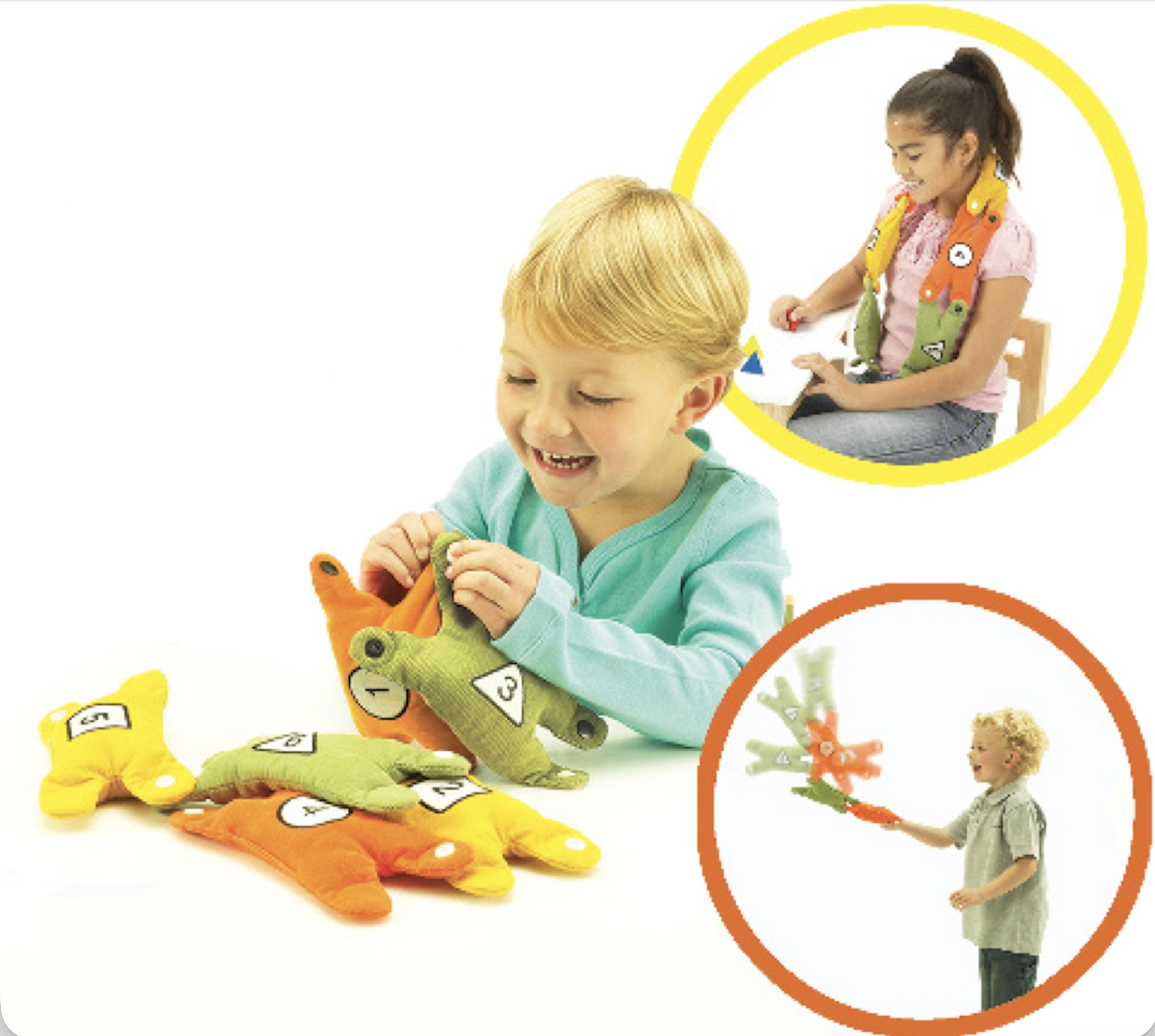
Every child deserves to play. It's how they learn, how they connect, and how they build the skills that shape the rest of their lives. But if your child has different cognitive, physical, or emotional needs, the toy industry has largely looked the other way — leaving millions of families without products designed for their children.
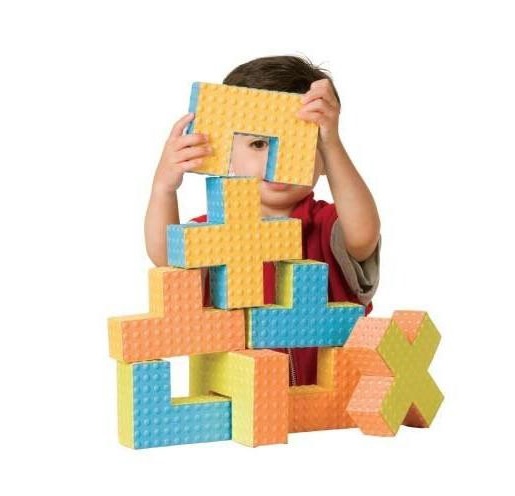
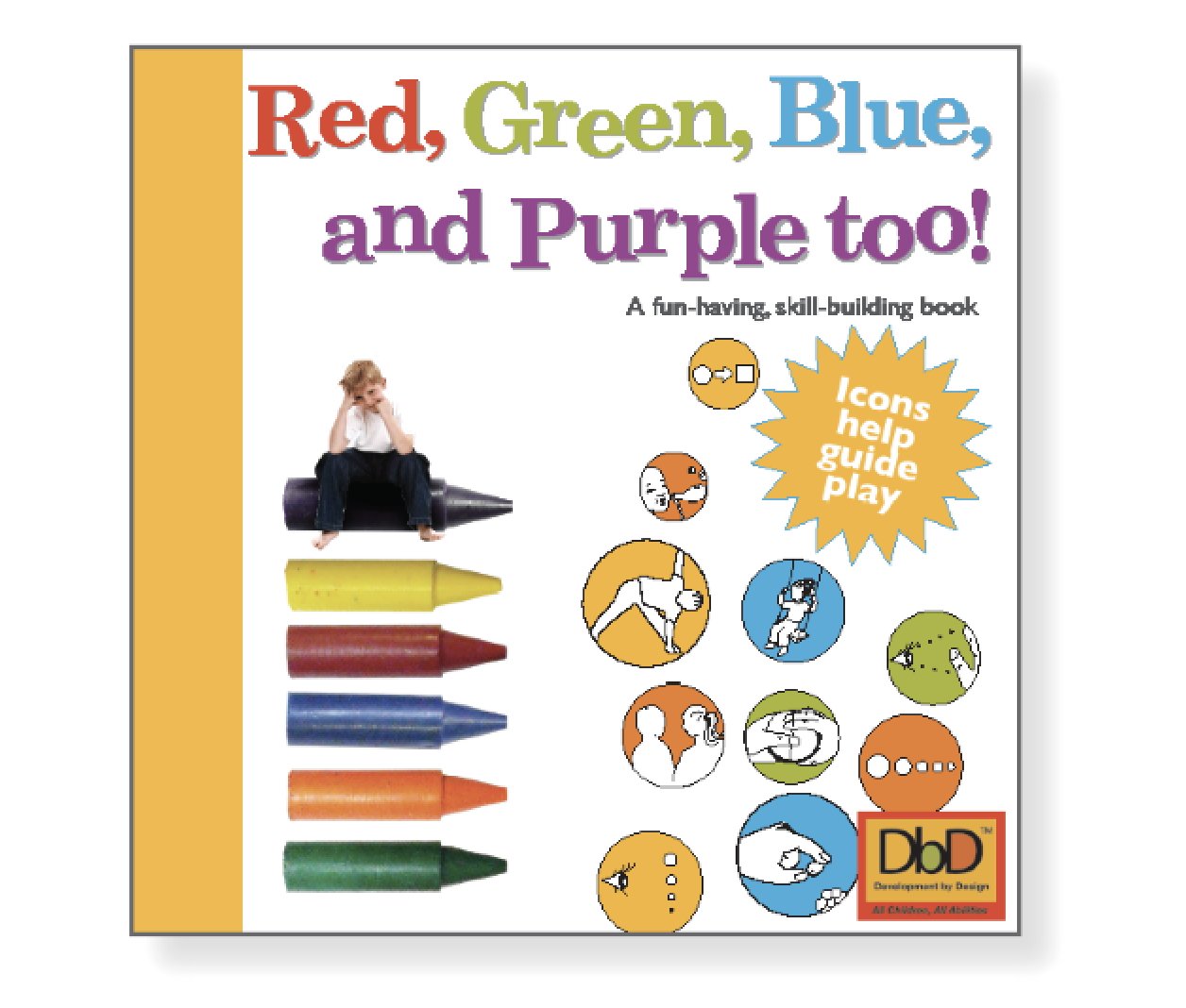
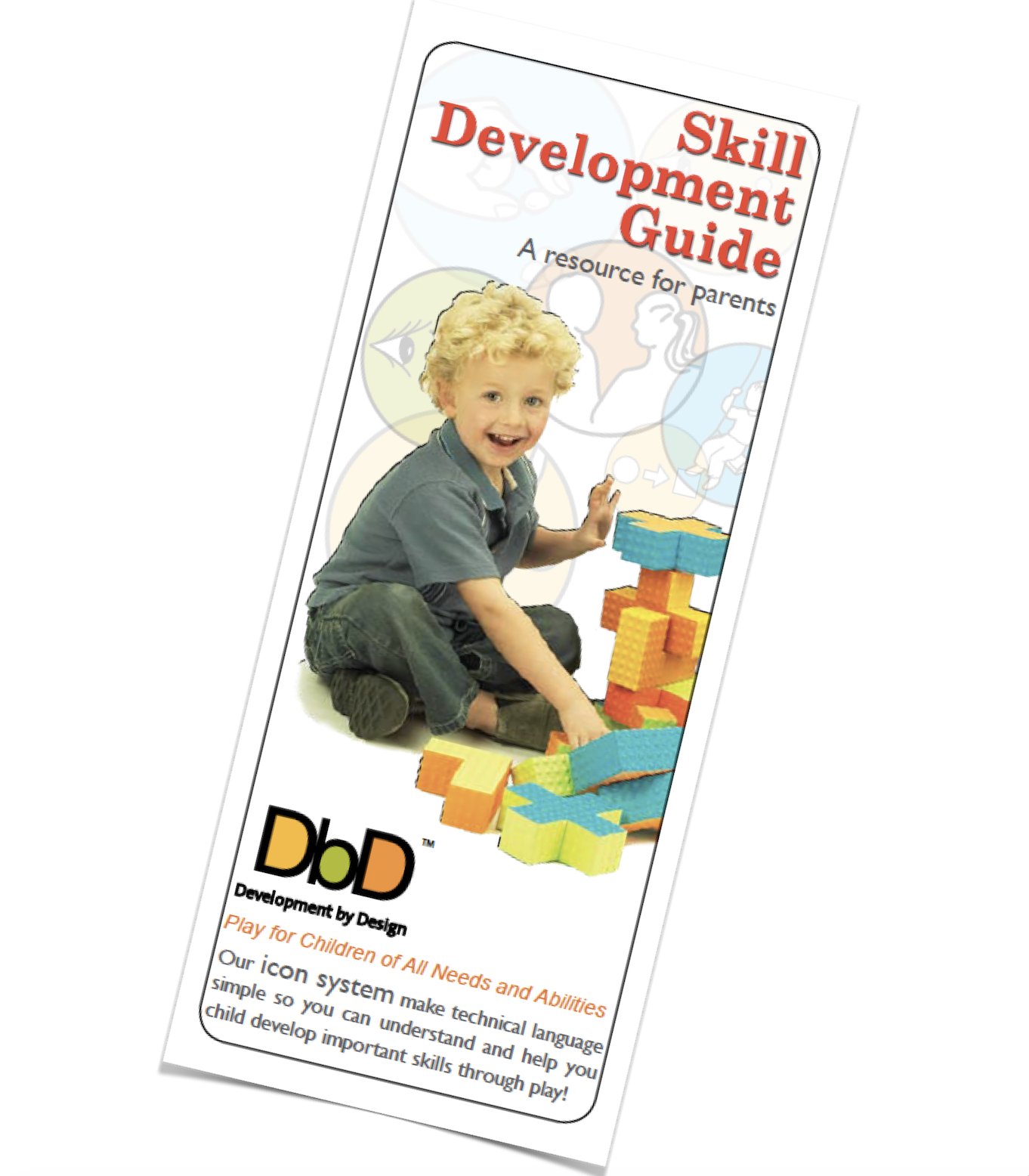
I founded Development by Design to change that. Partnering with an occupational therapist, we created toys rooted in Universal Design principles — products that didn't separate children by ability, but brought them together. We designed 14 products including Bumpity Blocks, Snap Bags, the Explorer Ring, and the Meteor Ball, each built so that every child could participate, regardless of their abilities. Every product came with skill booklets, activity guides, and an icon system that translated therapy jargon into language parents and caregivers could actually use.
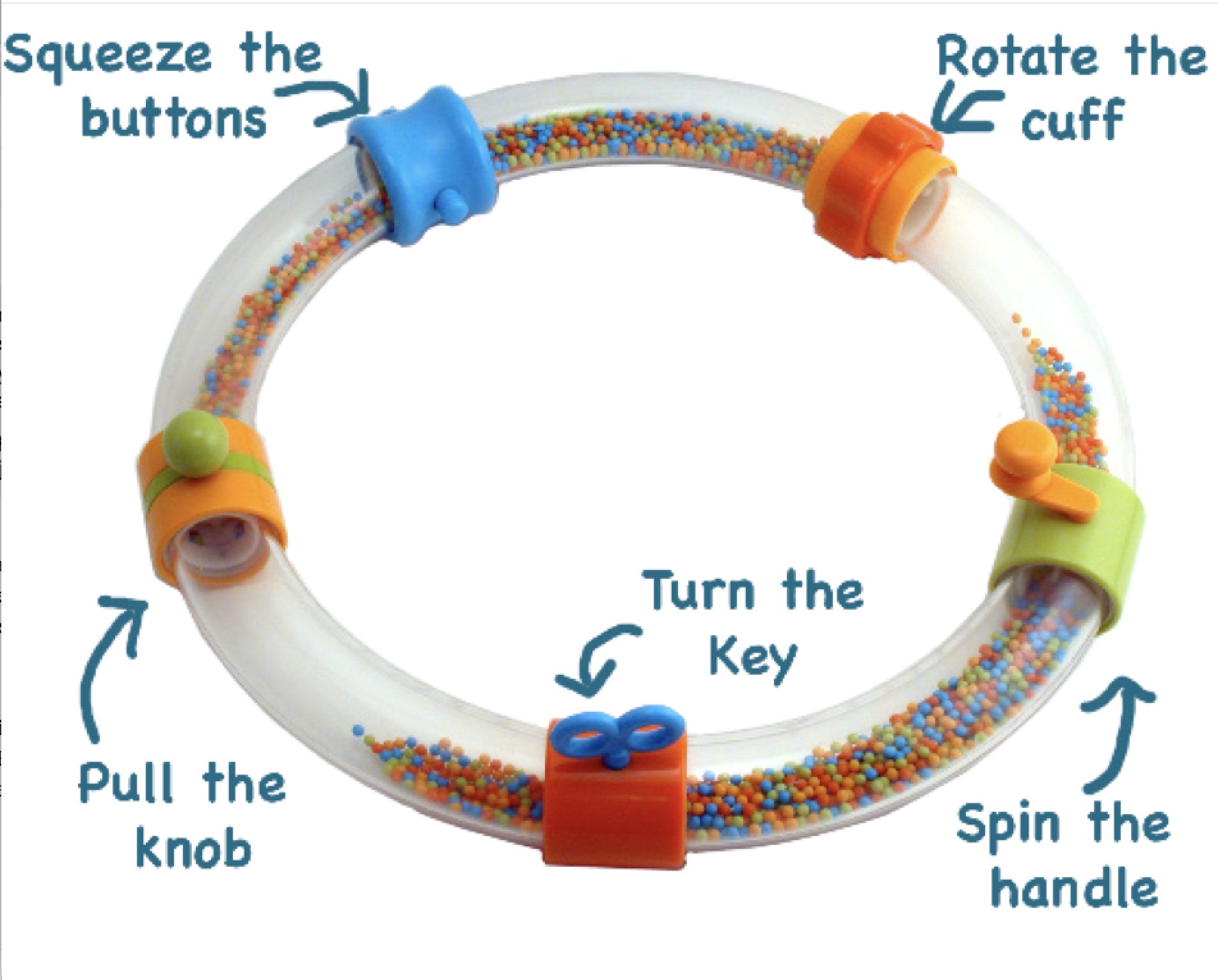

The products reached SF MoMA, The Metropolitan Museum of Art, Barnes & Noble (where they commanded a full end-cap), Lakeshore, and international retailers. But the thing that mattered most was the community. DbD News became a real resource for parents, therapists, and educators who had felt invisible. Inclusion wasn't a feature of these products — it was the entire point. And Universal Design meant they were loved by children and adults with and without disabilities alike, because designing for everyone makes the experience better for everyone.